


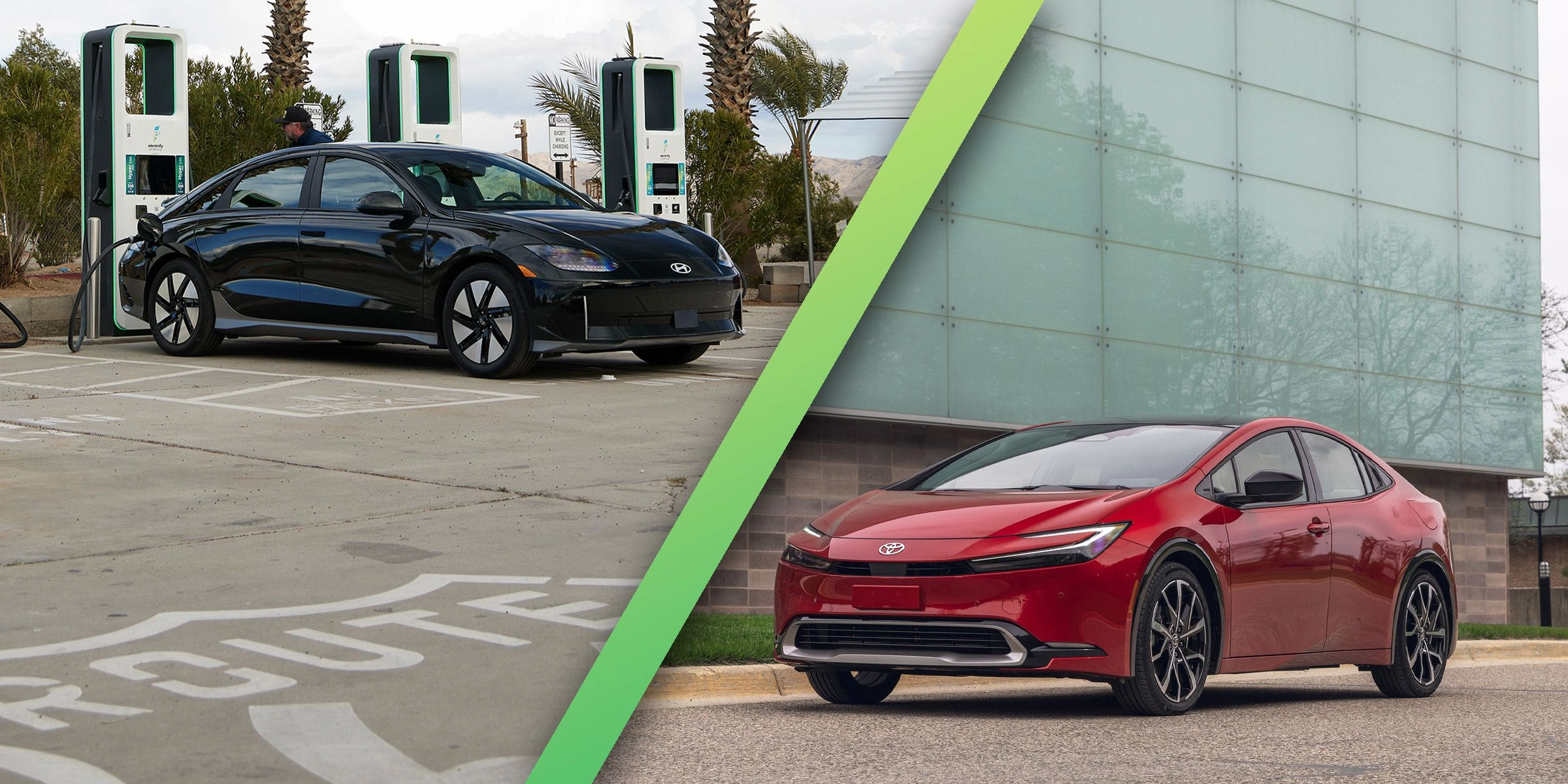
As fuel prices fluctuate and environmental regulations evolve, the automotive landscape is shifting rapidly. For drivers considering a departure from traditional internal combustion engines in 2026, the primary decision often narrows down to two distinct options: Electric Vehicles (EVs) and Hybrid Vehicles.
Both technologies offer significant advantages over gas-only cars, including reduced emissions and improved fuel economy. However, the optimal choice depends heavily on your specific driving habits, access to infrastructure, and long-term financial goals. This guide provides an in-depth comparison to help you navigate this transition with confidence.
Understanding the Technology
Before comparing features, it is essential to establish clear definitions of how hybrid vs EV vehicles operate.
What Is an Electric Vehicle (EV)?
Electric vehicles function exclusively on electricity stored in a high-capacity rechargeable battery pack. In the hybrid vs EV debate, EVs utilize one or more electric motors for propulsion and eliminate the need for a traditional gasoline engine.
- Propulsion: 100% Electric
- Fuel Source: External charging (grid, solar, public stations)
- Emissions: Zero tailpipe emissions
- Examples: Tesla Model 3, Ford Mustang Mach-E, Hyundai Ioniq 5
Key Characteristics:
- Silent Operation: The absence of a combustion engine results in a quiet, vibration-free ride, making EVs a distinct choice in the hybrid vs EV category.
- Home Charging: Most refueling takes place at home, effectively replacing gas station visits.
- Reduced Maintenance: EVs lack complex mechanical systems like transmissions, exhaust systems, and fuel injectors.
What Is a Hybrid Vehicle?
Hybrid vehicles bridge the gap between gasoline and electric power. In the hybrid vs EV landscape, hybrids utilize an internal combustion engine in tandem with an electric motor to maximize efficiency. Hybrids are categorized into two main types:
Plug-in Hybrid Electric Vehicle (PHEV):
These feature larger batteries that can be charged externally. They can operate in “electric-only” mode for short distances (typically 20–50 miles) before the gas engine engages. (e.g., Toyota RAV4 Prime).
Hybrid Electric Vehicle (HEV):
These vehicles use the gas engine to charge a small battery while driving. The electric motor assists the engine during acceleration to save fuel. You cannot plug these in. (e.g., Toyota Prius).
Critical Comparison: Hybrid vs EV
To make an informed decision, we must evaluate how hybrid vs EV vehicles perform across five critical categories.
1. Environmental Impact
For drivers prioritizing sustainability, the distinction lies in tailpipe emissions.
- EVs: By producing zero direct emissions, EVs offer the most significant reduction in carbon footprint, particularly when charged via renewable energy sources like solar or wind.
- Hybrids: While they burn less fuel than traditional cars, hybrids still rely on fossil fuels and emit greenhouse gases during operation.
Verdict: In the hybrid vs EV comparison, electric vehicles are the superior choice for maximizing environmental benefits.
2. Total Cost of Ownership
Financial analysis in the hybrid vs EV debate requires looking beyond the sticker price to the long-term costs of operation.
- Upfront Cost: EVs typically carry a higher purchase price due to battery technology costs, though government incentives can mitigate this. Hybrids are generally more affordable initially.
- Running Costs: Electricity is historically cheaper and less volatile than gasoline. Furthermore, EVs have fewer moving parts, eliminating the need for oil changes, spark plug replacements, and transmission fluid service.
Verdict: Hybrids win on initial purchase price, but in the hybrid vs EV evaluation, EVs often offer greater savings over the lifespan of the vehicle.
3. Refueling and Infrastructure
The “refueling” experience is a major lifestyle distinction in the hybrid vs EV discussion.
- EVs: Rely entirely on charging infrastructure. Level 1 (standard outlet) and Level 2 (dedicated home charger) are sufficient for daily use, while DC Fast Chargers are necessary for long trips. Charging time varies from 20 minutes to several hours depending on the voltage.
- Hybrids: HEVs refuel at gas stations like traditional cars. PHEVs offer the flexibility of charging at home for daily commutes while retaining a gas tank for long-distance travel without stopping to charge.
Verdict: Hybrids offer superior flexibility for those with limited access to charging stations.
4. Driving Range and Performance
Range anxiety—the fear of running out of power—remains a common concern in the hybrid vs EV landscape.
- EVs: Modern EVs typically offer ranges between 250 and 400 miles per charge. While sufficient for 95% of daily driving, long road trips require strategic route planning around charger availability.
- Hybrids: By combining a gas tank with an electric motor, hybrids offer extensive total range (often 500+ miles) and can be refueled in minutes anywhere.
Verdict: In the hybrid vs EV comparison, hybrids provide peace of mind for frequent long-distance travelers, though EV range capabilities are rapidly improving.
5. Maintenance Requirements
Mechanical complexity is a key point in the hybrid vs EV evaluation.
- EVs: With no internal combustion engine, there are significantly fewer components that can fail. Regenerative braking also reduces wear on brake pads.
- Hybrids: Because they contain both an electric powertrain and a combustion engine, hybrids have complex maintenance needs. Owners must still schedule oil changes, belt replacements, and engine tune-ups.
Verdict: In the hybrid vs EV debate, EVs are the clear leader for low-maintenance ownership.
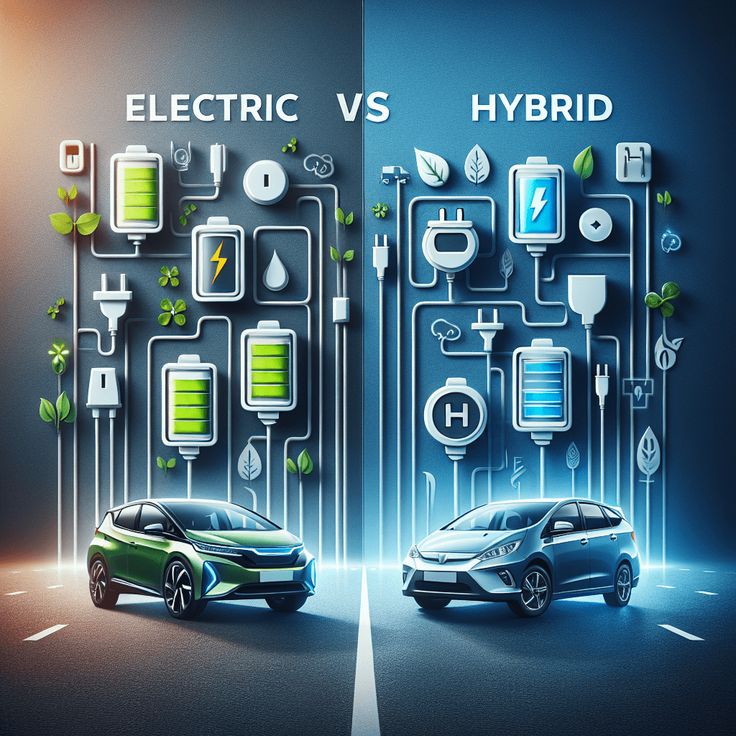
Strategic Decision Making: Which Fits Your Lifestyle in the Hybrid vs EV Debate?
Selecting the right vehicle in the hybrid vs EV decision requires an honest assessment of your driving patterns and resources.
Choose an Electric Vehicle (EV) in the Hybrid vs EV Choice If:
- Infrastructure Access: You have the ability to install a Level 2 charger at home or have reliable charging at your workplace.
- Daily Routine: Your daily commute is predictable and well within the range of modern battery capacities (under 200 miles round-trip).
- Financial Goals: You are looking to eliminate gasoline expenses entirely and minimize annual maintenance costs.
- Values: You are committed to maximizing your environmental impact by driving a zero-emission vehicle.
Choose a Hybrid (HEV or PHEV) in the Hybrid vs EV Choice If:
- High Mileage: You frequently drive long distances or in rural areas where charging infrastructure is sparse or unreliable.
- Charging Constraints: You live in an apartment or housing situation where installing a home charger is not currently feasible.
- Budget: You want better fuel economy than a gas car but need a lower upfront purchase price.
- Transition Step: You are interested in electric technology but need the safety net of a gasoline engine for flexibility.
Final Thoughts on Hybrid vs EV
The transition to electrified transportation is not a one-size-fits-all proposition. In 2026, the hybrid vs EV choice represents smart, forward-thinking alternatives to traditional combustion engines.
If your priority is total independence from fossil fuels and low maintenance, an EV is a robust investment for the future. If you require the versatility to drive anywhere without logistical planning, hybrid vehicles offer an excellent balance of efficiency and convenience. By aligning your choice with your specific driving habits and resources, you ensure a purchase that delivers value for years.